Concreters in Clayton, 3168
Clayton is the busiest corner of Monash, anchored by the university and the Medical Centre, and its housing is changing faster than anywhere else on our list: postwar weatherboards and brick homes making way for townhouse rows and new family builds. Fast-changing streets mean constant concrete, and Clayton keeps a crew busy year round.
The ground here
Largely flat clay, easy to work but slow to drain. Slabs here get their falls designed to a drain or the street from the outset, because a level Clayton backyard will happily hold a puddle for a week in August.
What we pour in Clayton
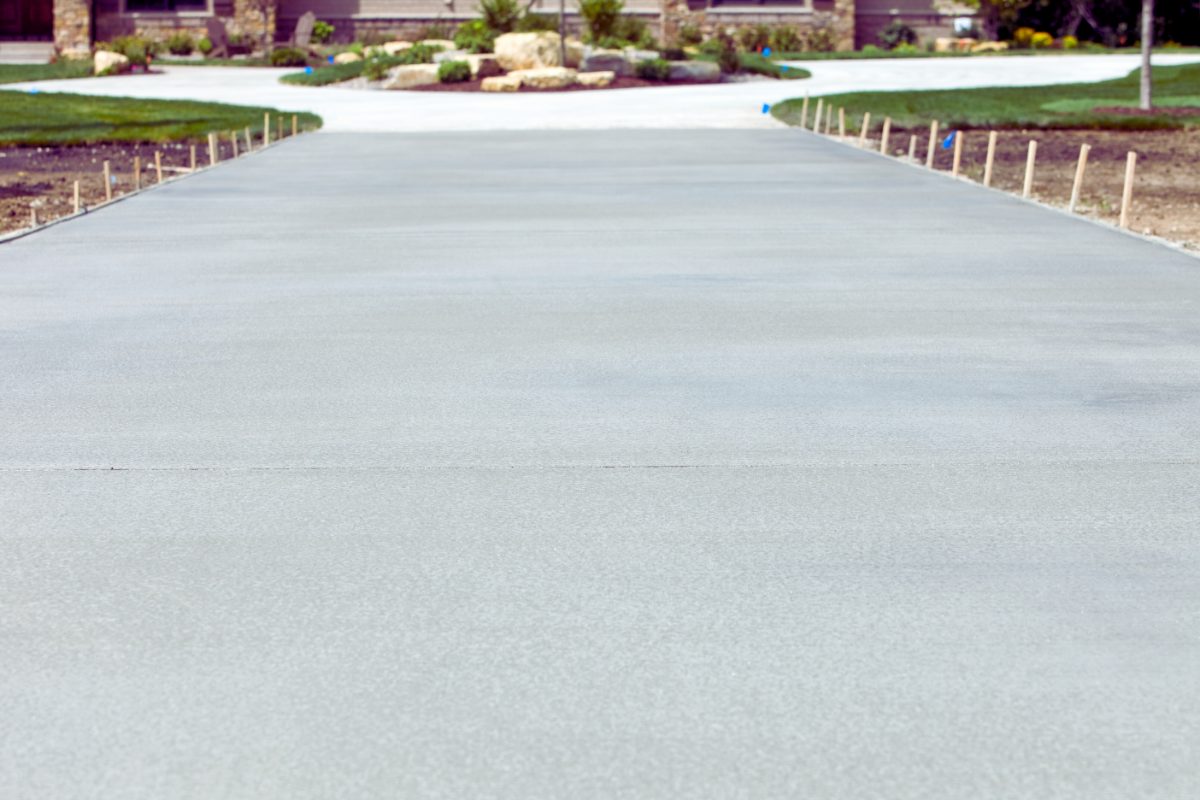
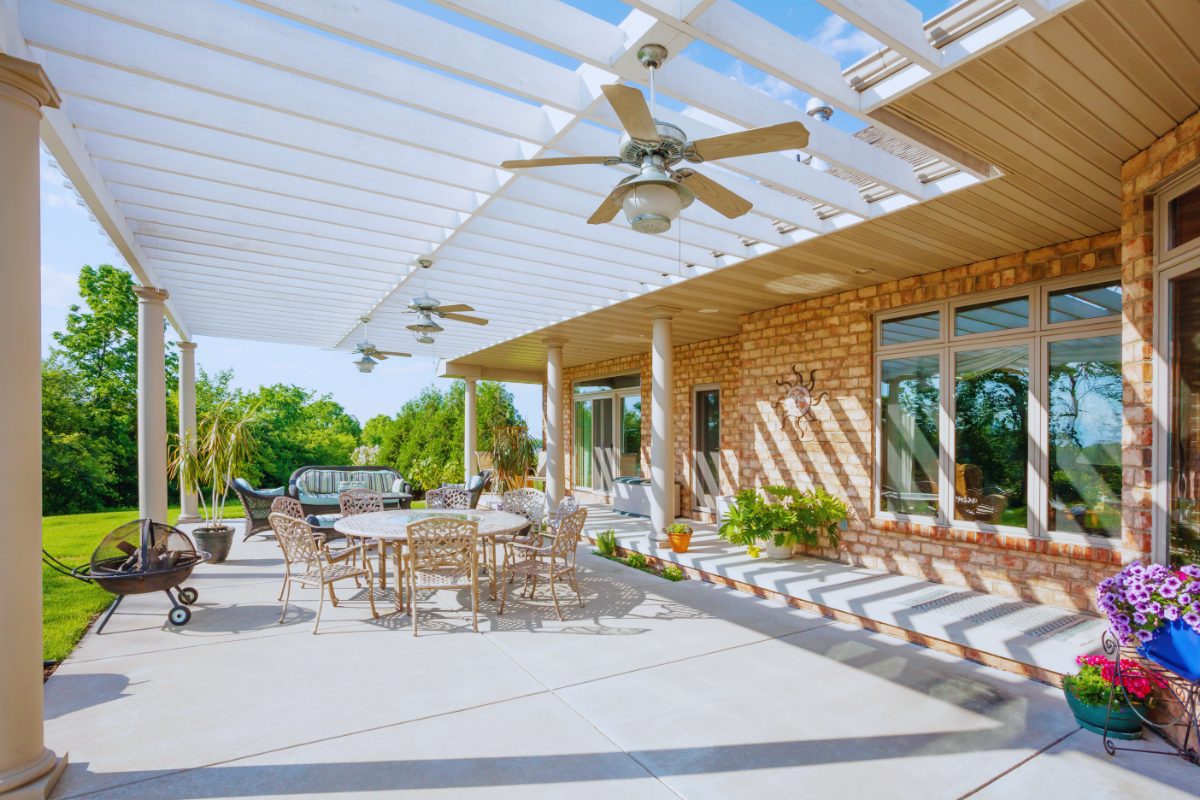
Townhouse and unit concrete is the local flavour, driveways and shared access runs, courtyard slabs, bin pads and paths, quoted off plans as readily as off a site walk, alongside the classic replacements on the surviving older homes. Landlords and developers get the same one-figure written quote as owner occupiers, and staged pours across a multi-dwelling site are priced as one programme. Crossovers, including the shared and widened ones that unit developments need, run through the City of Monash permit process, which puts unit-site crossings past the council’s town planning desk as well.
Finishes Clayton picks
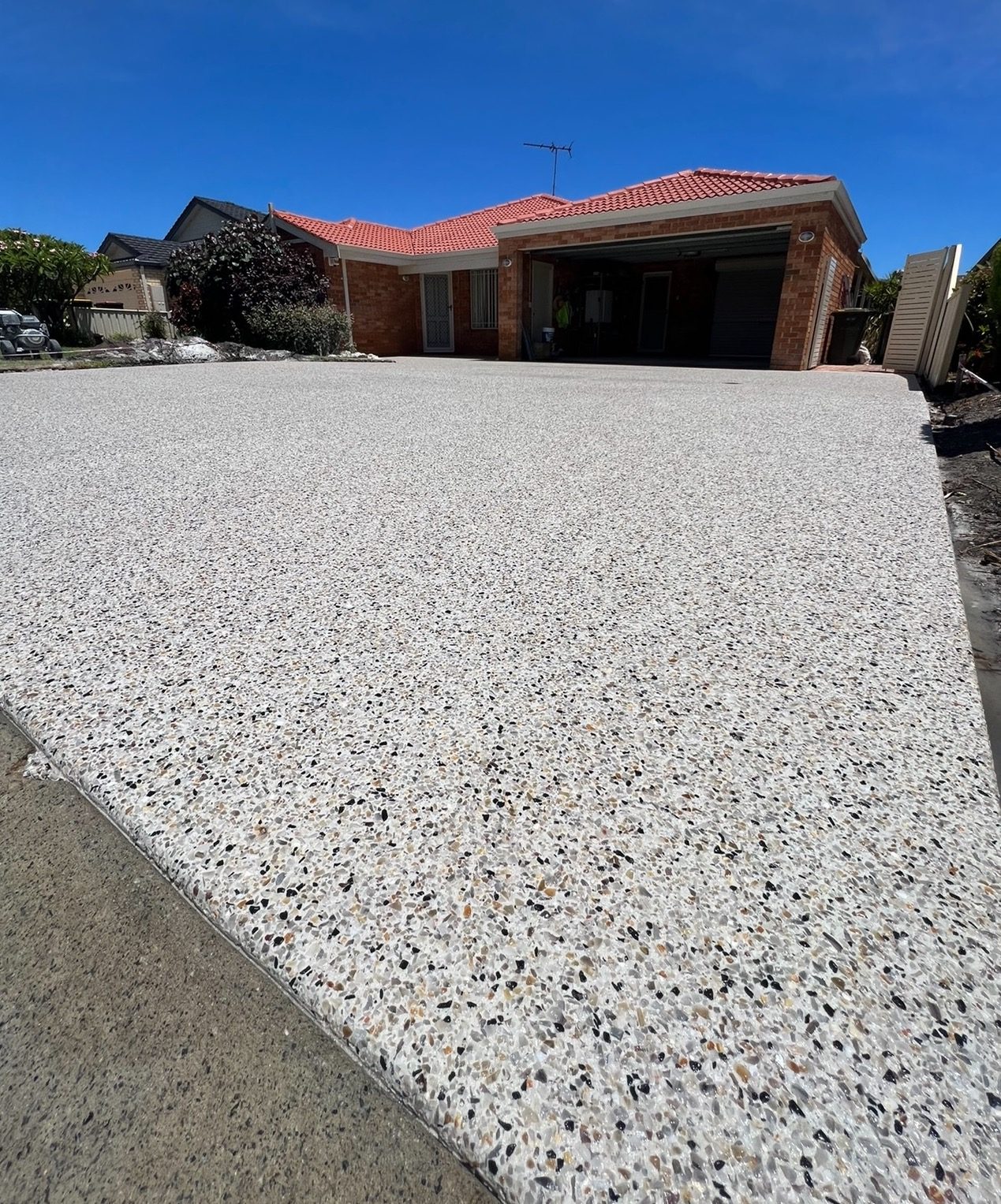
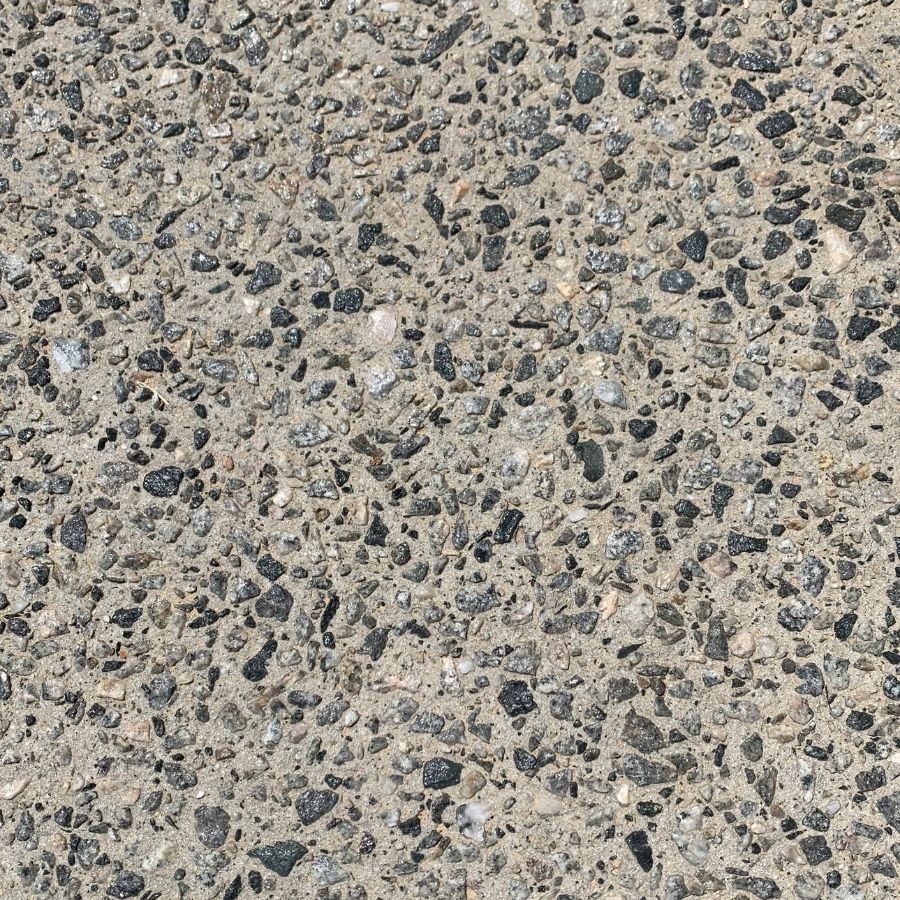
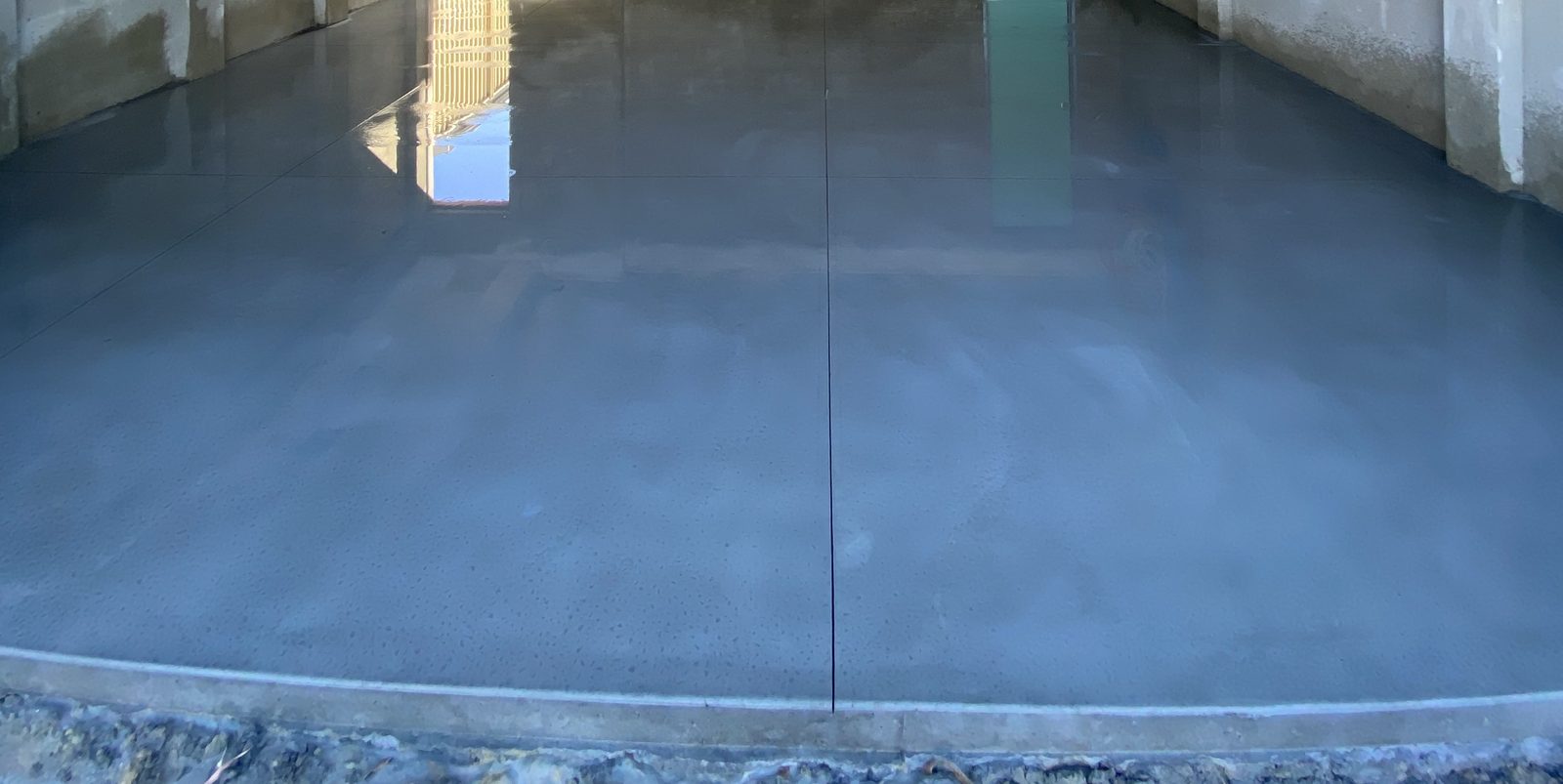
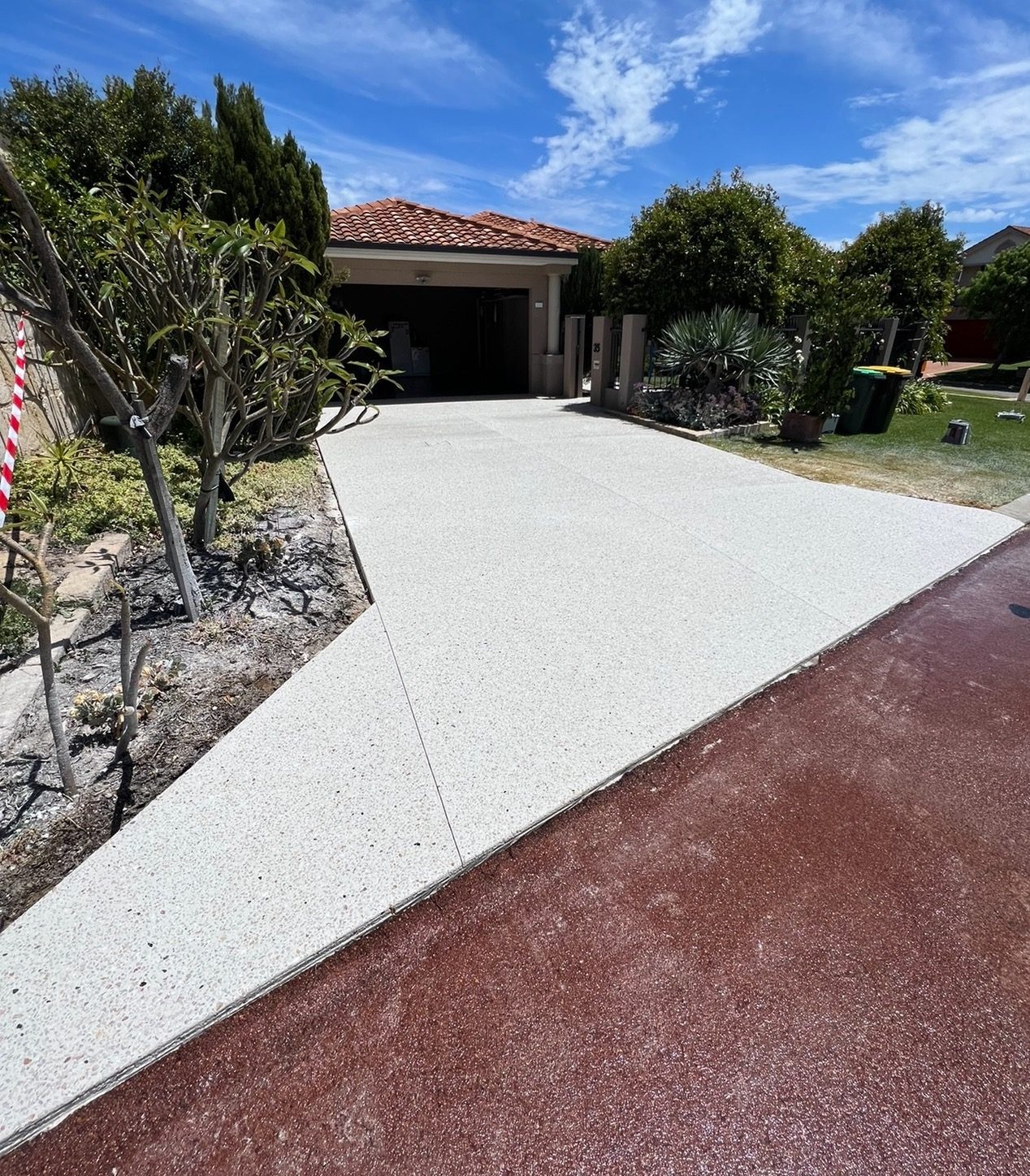
Durable and repeatable wins in Clayton: broom finish across shared driveways and access lanes, exposed aggregate lifting the entries of the newer builds, and coloured concrete tying courtyard slabs to fresh renders.
Concreting cost in Clayton
The Monash rate card does not change at the university’s gates: driveways $95-$185 per m², exposed aggregate $130-$185, paths $90-$130, patios and courtyards $100-$180, shed and garage slabs $110-$150, and $35 per m² for break-out first. Guide rates until the job is measured; the written quote after the visit is the number we hold to. Multi-slab bookings share mobilisation and price accordingly; the cost guide explains how.
City of Monash crossing permits in Clayton
The strip of driveway that crosses the nature strip and footpath belongs to council rules, and the City of Monash polices it with a vehicle crossing permit. One is needed before a crossover is constructed or rebuilt, even where the crossover appears on a building or planning permit, because Monash approves it separately. Residential properties get one crossing each, built 3 metres wide as standard and never more than 3.5, and the application wants a site plan plus at least five photos of the site before work starts. Council allows itself up to ten working days to assess, and the permit runs for six months once issued.
Position matters as much as paperwork. Monash wants a crossing at least 9 metres from a corner, no closer than a metre to pits, poles, hydrants and other street furniture, and at least 4 metres from the trunk of a street tree, with written service authority approval needed where a job cannot keep those clearances. The council inspects the excavated, formed-up crossing before any concrete is poured, booked by phone no later than 2pm the day before, and returns about a month later to check the finished work before releasing the security deposit. Fees are council’s own, change each financial year, and are confirmed with the quote rather than guessed. None of this slows a well planned job; it simply has to be in the programme from the start, which is where we put it.
Also on this run
Notting Hill, Oakleigh, Mulgrave. The whole service area is one council wide.