Concreters in Oakleigh, 3166
Oakleigh is the old soul of Monash, a railway town decades before the Waverleys were paddocks, and its streets show the layers: Edwardian and interwar homes near the village centre, postwar brick further out, and a strong renovation culture that treats the originals with respect. Concreting here is as much about fitting new work against old houses as it is about pouring.
The ground here
Long-settled clay under long-settled streets. The ground moves less dramatically than the newer suburbs’ raw blocks, but the oldest paths and drives here have carried eighty winters of it, and most are at the end.
What we pour in Oakleigh
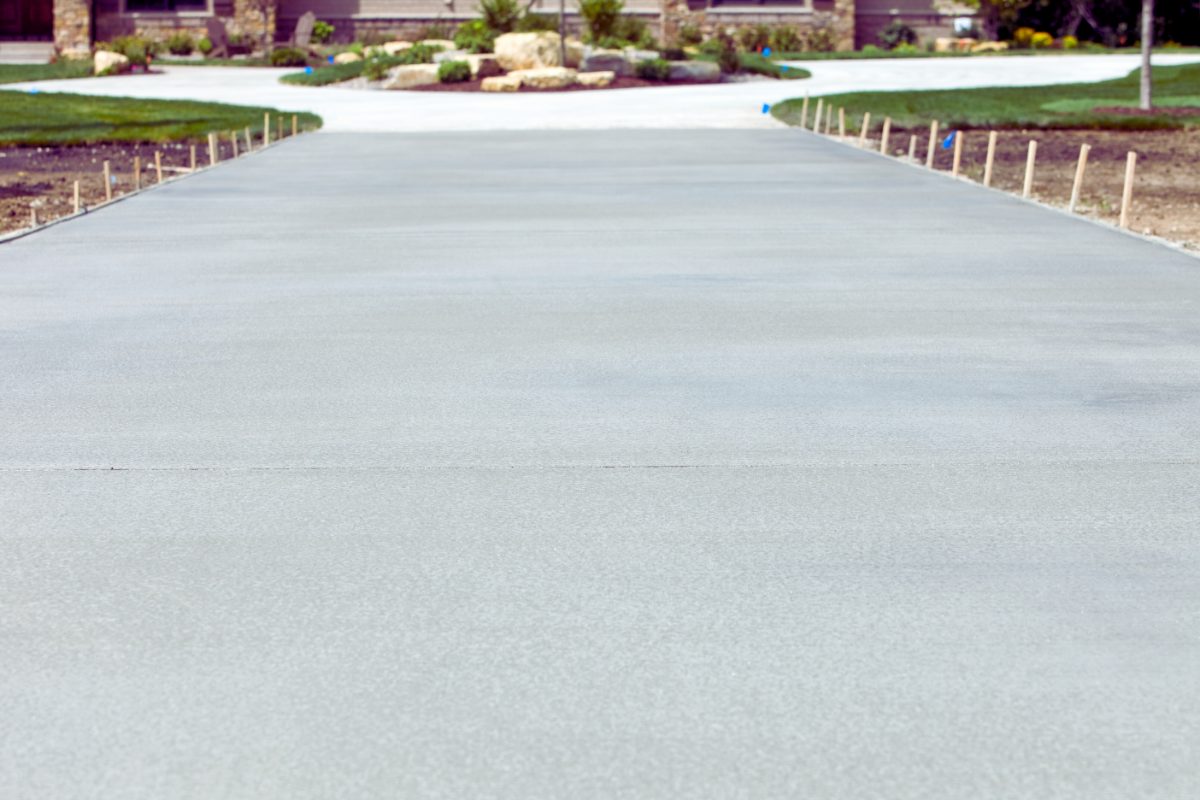
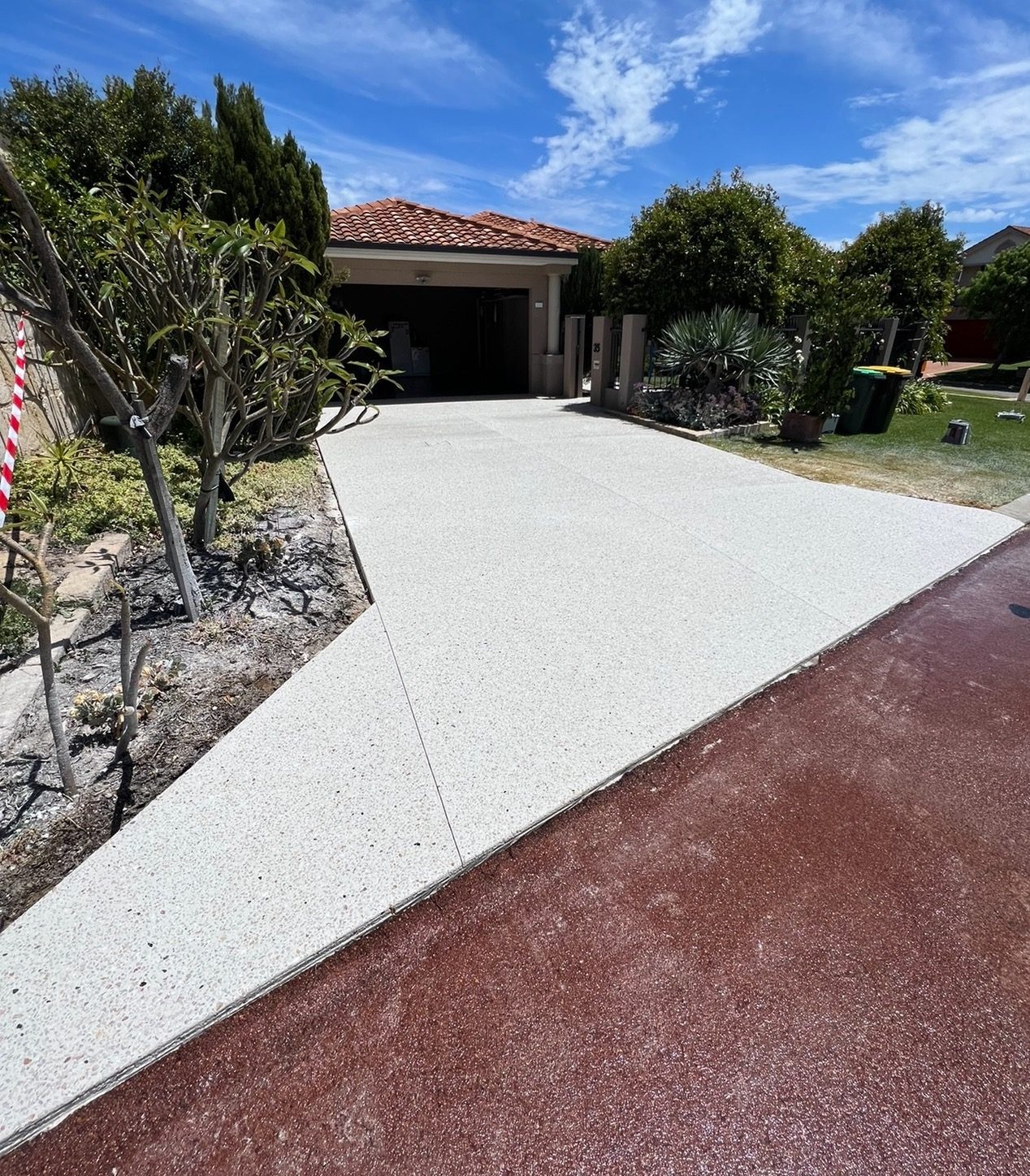
Replacement of narrow original driveways, often single-car width and shared, sits at the top of the list, followed by front paths that need to sit sympathetically against period frontages, side strips, and garage slabs in the deep backyards this era of subdivision left behind. Where a crossover is rebuilt or widened, the City of Monash permit rules apply, including the clearances from the street trees that make these streets what they are.
Finishes Oakleigh picks
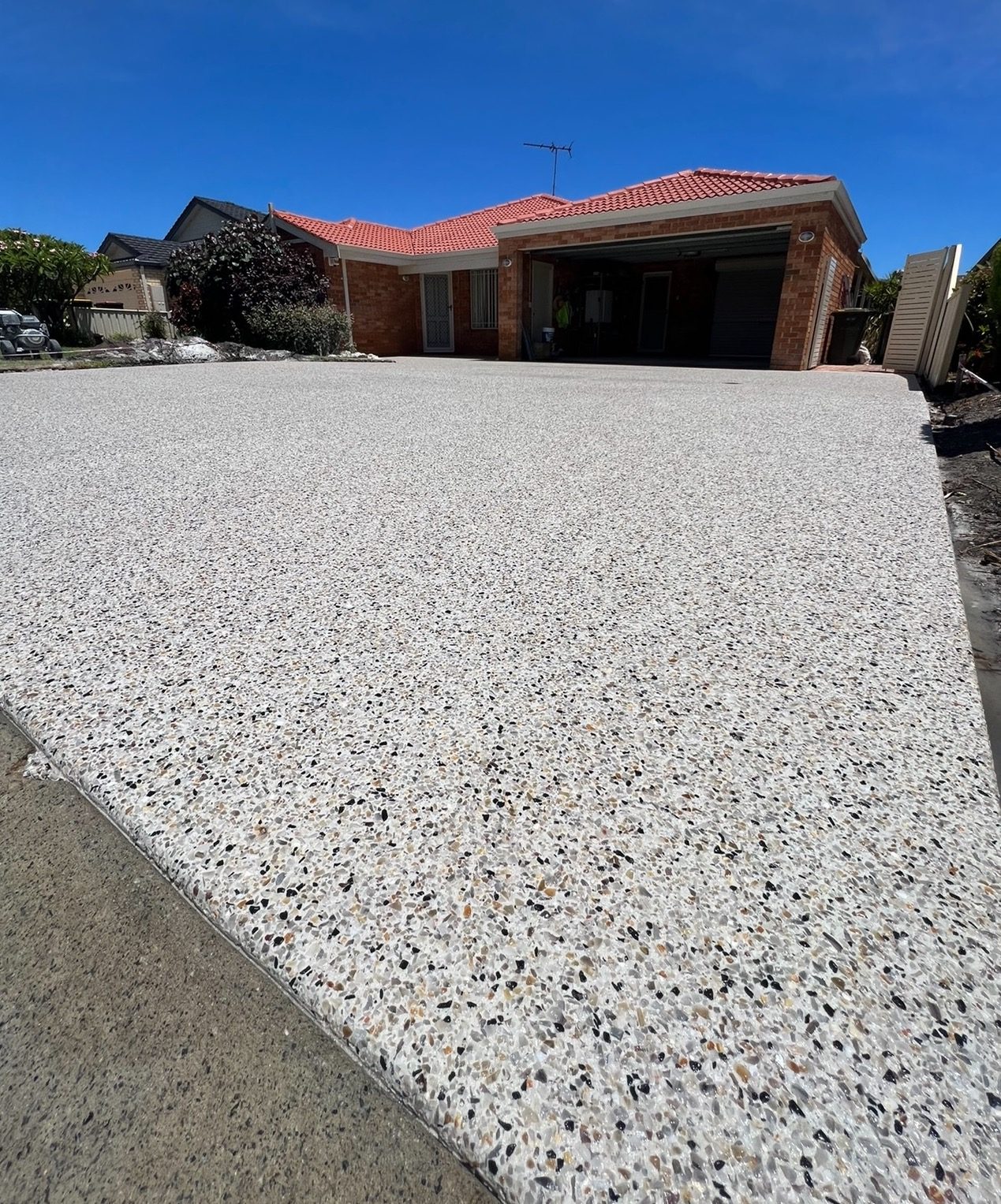
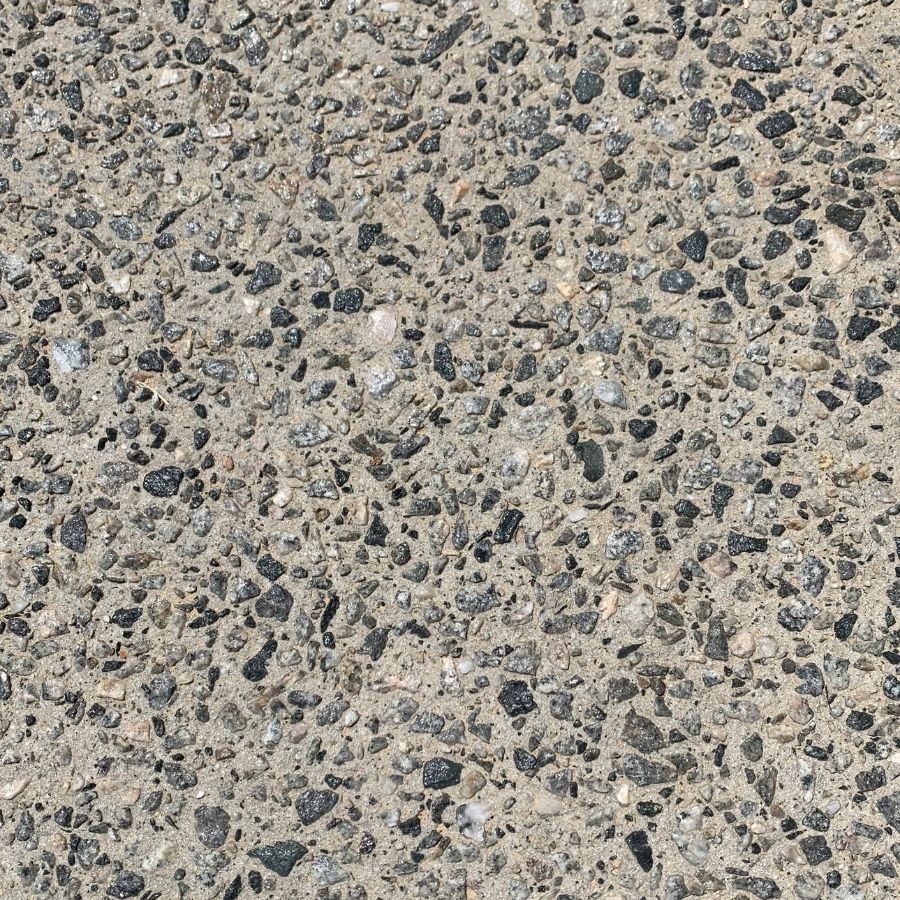
Oakleigh chooses quieter surfaces than the rebuild suburbs: broom finished and lightly coloured concrete that defers to brickwork and gardens, with exposed aggregate in warm, natural blends where owners want stone without shouting. We bring samples to the house because against hundred year old brick, that is the only place the decision can be made.
Concreting cost in Oakleigh
The published card applies across the railway line like everywhere else in Monash: driveways $95-$185 per m² by finish, exposed aggregate $130-$185, paths $90-$130, patios $100-$180, shed and garage slabs $110-$150, and removal adding $35 per m². Narrow shared access can add a modest loading, stated plainly in the quote. Guide rates until the job is measured; the written quote after the visit is the number we hold to. Details in the cost guide and specification.
City of Monash crossing permits in Oakleigh
The strip of driveway that crosses the nature strip and footpath belongs to council rules, and the City of Monash polices it with a vehicle crossing permit. One is needed before a crossover is constructed or rebuilt, even where the crossover appears on a building or planning permit, because Monash approves it separately. Residential properties get one crossing each, built 3 metres wide as standard and never more than 3.5, and the application wants a site plan plus at least five photos of the site before work starts. Council allows itself up to ten working days to assess, and the permit runs for six months once issued.
Position matters as much as paperwork. Monash wants a crossing at least 9 metres from a corner, no closer than a metre to pits, poles, hydrants and other street furniture, and at least 4 metres from the trunk of a street tree, with written service authority approval needed where a job cannot keep those clearances. The council inspects the excavated, formed-up crossing before any concrete is poured, booked by phone no later than 2pm the day before, and returns about a month later to check the finished work before releasing the security deposit. Fees are council’s own, change each financial year, and are confirmed with the quote rather than guessed. None of this slows a well planned job; it simply has to be in the programme from the start, which is where we put it.
Also on this run
Clayton, Ashwood. The whole service area is one council wide.